
Nero’s Artistic Ambition
Quo VadisThis subplot follows Nero’s belief that artistic greatness justifies excess, cruelty, and the conversion of public disaster into performance.
increasing Bearing strength in each event
 decreasing
Bearing strength in each eventdecreasingThe Poet Emperor
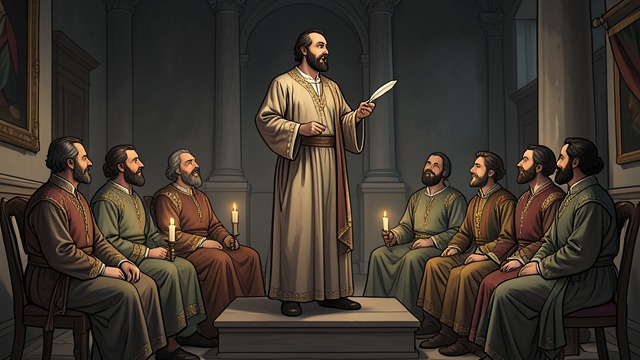
The Poet Emperor
Art demands applause
Nero writes and performs before courtiers who know that criticism can be dangerous.
Performance becomes identity
He understands himself not only as ruler but as poet, singer, actor, and future immortal.
A Real Burning City
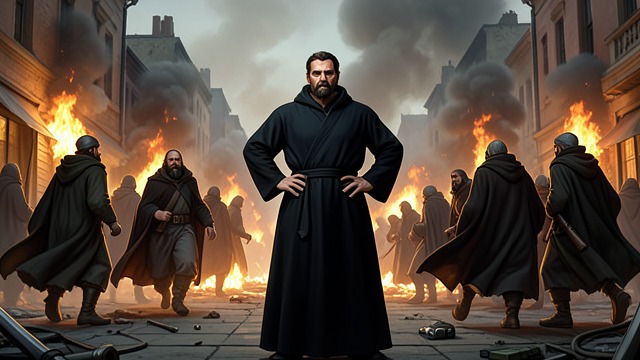
A Real Burning City
Art seeks experience
Nero has complained that he has never seen a city burn; the fire appears to give him material for his Troy poem.
Reality becomes theatre
He focuses on posture, verse, and audience response while Rome’s inhabitants flee and suffer.
Song over the Ruins
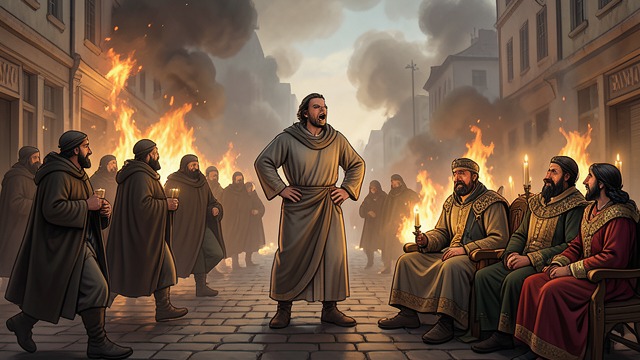
Song over the Ruins
Performance amid catastrophe
Nero sings of Troy while the ancient monuments and neighborhoods of Rome burn around him.
Art without compassion
The scene exposes the distance between artistic ambition and moral responsibility.
A Poet’s Excuse
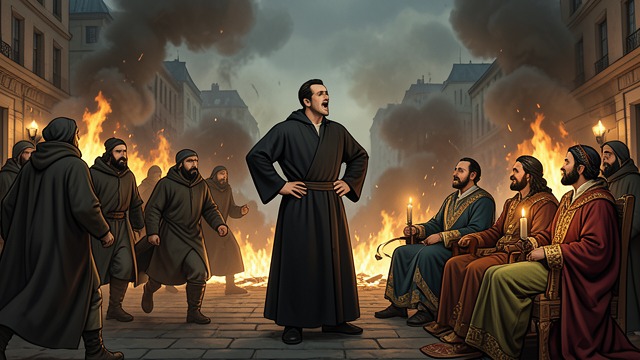
A Poet’s Excuse
Suffering converted to material
Nero stages Christian deaths as spectacles and seeks poetic themes in the victims’ pain.
The audience resists the framing
The crowd’s pity and alarm show that no performance can entirely control the meaning of actual suffering.
The Artist’s Last Exit
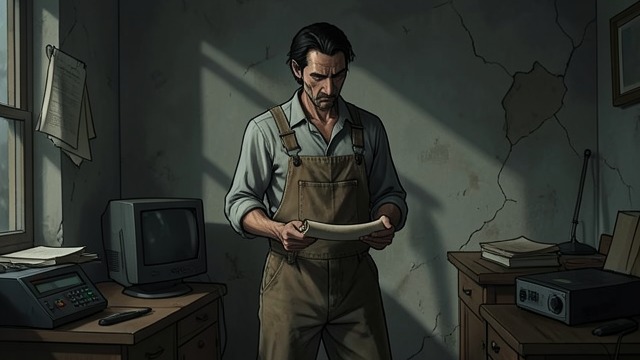
The Artist’s Last Exit
Self-image persists
Even as power collapses, Nero quotes and imagines the scene as a final tragedy.
Performance ends in death
His last words about a dying artist reveal a ruler unable to face reality outside the role he constructed.
At the opening palace feast
At the outbreak of the Great Fire
When Nero arrives to view the burning city
During the persecution and public games
During Nero’s flight after Galba’s revolt
